Heat Treatment for Bed Bugs: Your Step-by-Step Eradication Plan
Bed bug infestations can create significant distress in a home. Heat-based therapy is a reliable technique for removing these pests successfully. This approach requires careful planning and execution to guarantee success. Knowing the stages of the process is critical for residents. What should residents be prepared for during this treatment? The following sections outline essential preparations and strategies to maintain a bed bug-free environment, providing a clear pathway toward resolution.
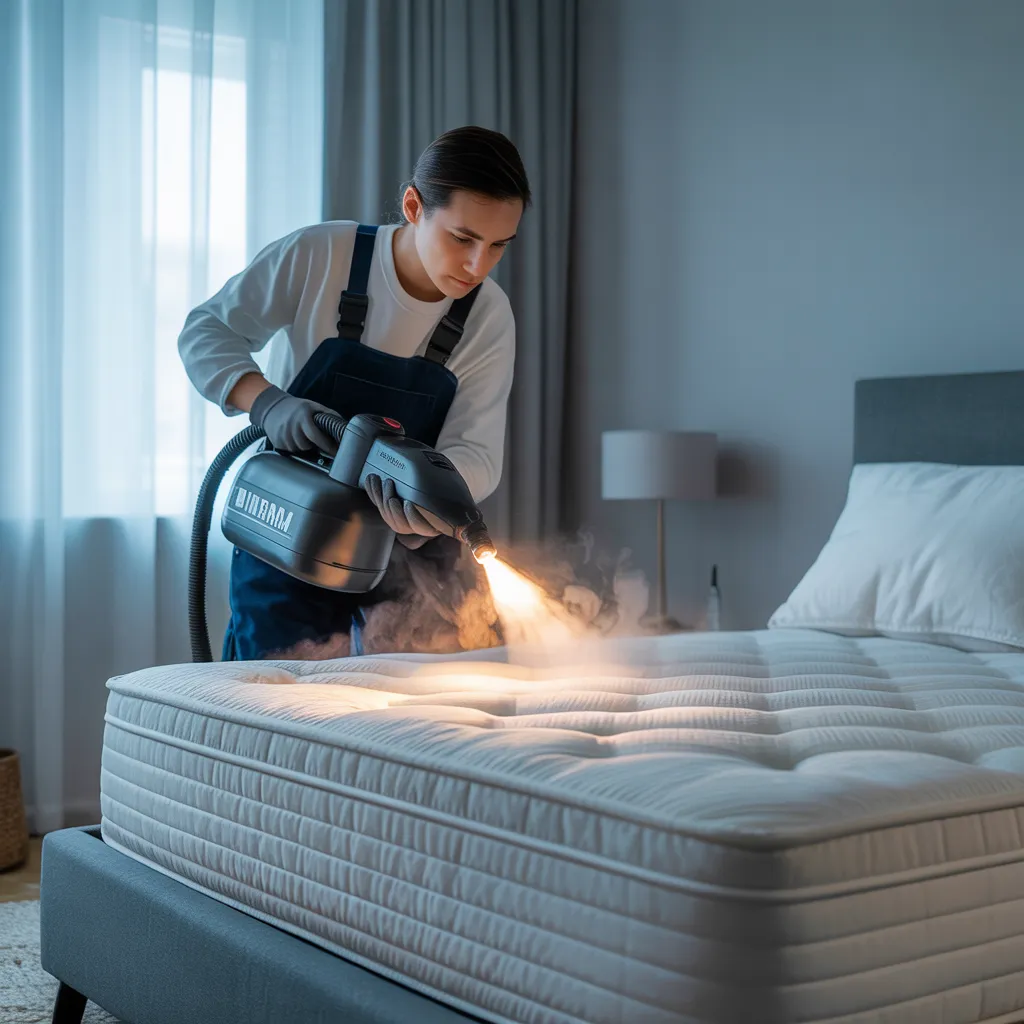
Dealing with a Bed Bug Infestation: Immediate Steps to Follow
After identifying a bed bug infestation, prompt action is essential to address the issue. The initial step requires determining the scope of the infestation. This is achieved through checking frequent hiding locations such as mattresses, bed frames, and furniture crevices. Upon confirmation, people should limit the spread by separating infested items. This means securing contaminated bedding and clothing within sealed plastic bags.
Furthermore, you should reduce clutter in the affected area. This not only limits hiding spots but also makes treatment efforts more effective. Thorough vacuuming can assist in removing both bugs and eggs from all surfaces, however, discarding the vacuum bag is necessary to avoid reinfestation.
In conclusion, consulting a professional pest control service is recommended. They possess the experience and technology essential for successful elimination. Swift, determined measures can substantially lower the magnitude of the outbreak and result in a faster solution.
The Way Heat Treatment Works to Eradicate Bed Bugs
After evaluating the severity of a bed bug infestation and taking initial containment measures, identifying effective treatment methods takes precedence. Heat treatment is a highly effective method for eradicating bed bugs. This process requires elevating the temperature in affected areas to a deadly threshold, typically between 120°F and 140°F. At these temperatures, bed bugs, nymphs, and their eggs are incapable of surviving.
The process usually requires dedicated machinery that distributes heated air through the whole room, guaranteeing uniform heat distribution. In contrast to chemical methods, warmth seeps into walls, furniture, and other hidden areas where bed bugs may reside. This complete process eradicates bed bugs at every developmental stage within a single treatment session.
Given the effectiveness of the treatment, it is important to confirm that all belongings within the treated area can withstand high temperatures to prevent any potential damage. Thermal treatment not only destroys existing infestations but also aids in preventing future ones by targeting unseen populations.
Important Preparations for Heat Treatment Success
Achieving successful heat treatment for bed bugs necessitates careful planning to optimize its effectiveness. In advance of treatment, decluttering the space is critical to allow heat to penetrate every surface. All items, especially those with potential bed bug hiding spots, should be removed or treated separately. In addition, washing and drying bed linens, clothes, and curtains using high heat settings can aid in eradicating any insects or eggs found in these items.
Furniture needs to be shifted away from walls to form a buffer zone, facilitating proper airflow during treatment. Electronic equipment and sensitive belongings must be relocated or protected, as excessive heat can damage them. Finally, sealing cracks and crevices will reduce places for bed bugs to hide, enhancing treatment efficacy. These essential steps lay the groundwork for successful eradication and facilitate a more thorough application of heat, ultimately resulting in a bed bug-free environment.
Expectations During Heat Treatment
In the course of bed bug heat treatment, homeowners can expect a thorough process aimed at eliminating these insects. The treatment entails elevating indoor heat levels to between 120°F and 140°F, successfully addressing all phases of life of bed bugs, including eggs. As the heat reaches into upholstery, flooring, and other harborage areas, residents may notice a warm environment throughout the home.
Property owners must expect certain interruptions, as the process usually requires several hours to secure complete coverage. Certified pest control specialists will carefully track temperature levels, utilizing advanced equipment to maintain the required levels. Even though bed bugs may not be visibly apparent right away, the heat treatment is formulated to eliminate infestations across every stage. It is essential for residents to remain out of the treated area until the area has been certified safe, protecting their well-being during this thorough extermination process.
Essential Steps to Keep Your Home Free of Bed Bugs
Once heat treatment is complete, ensuring your home remains bed bug-free calls for consistent preventive action. Homeowners should first conduct periodic copyrightinations, focusing on common hiding spots such as furniture seams, mattresses, and bed frames. Utilizing protective encasements for box springs and mattresses may reduce relevant resource the risk of future infestations by trapping any residual insects.
Routine cleaning is crucial; frequent vacuuming and cleaning bedding and clothing in hot water will aid in eradicating any existing eggs or pests. Moreover, minimizing clutter throughout the home limits hiding areas and allows for more thorough inspections.
It is also advisable to be cautious when bringing in second-hand items or luggage, as these can introduce new bed bugs. When any evidence of a recurring infestation is detected, an experienced pest control specialist should be reached out to without delay. By following these measures, residents can establish conditions that significantly lower the likelihood of bed bugs coming back.
Questions We Get Asked Often
Can I Stay in My Home During Heat Treatment?
No, it is typically recommended that occupants vacate the home during heat treatment for bed bugs. The extreme heat levels needed for thorough extermination can create dangerous conditions and significant discomfort for people and animals alike.
What Is the Duration of Heat Treatment Completion?
Heat treatment typically takes about six to eight hours to finish, based on the size of the affected area. This method functions by increasing the temperature to successfully destroy bed bugs across all life stages.
Are There Any Risks to My Pets During Treatment?
Yes, there are risks to pets during treatment. High temperatures can be harmful; therefore, it is necessary to relocate pets from the area before the treatment begins and keep them secure until the treatment zone has returned to a safe temperature.
What to Do if Bed Bugs Come Back After Treatment
Should bed bugs reappear following treatment, it might signal inadequate eradication or a new introduction of pests. Property owners ought to reevaluate their surroundings, explore further treatment options, and work with professional exterminators to develop effective approaches for dealing with the recurring infestation.
What Are the Costs of Bed Bug Heat Treatment?
Bed bug heat treatment typically costs anywhere from $1,000 to $2,500, depending on the severity of the infestation and the size of the area being treated. Several other factors can affect the overall cost, like the local market and the pest control company selected.